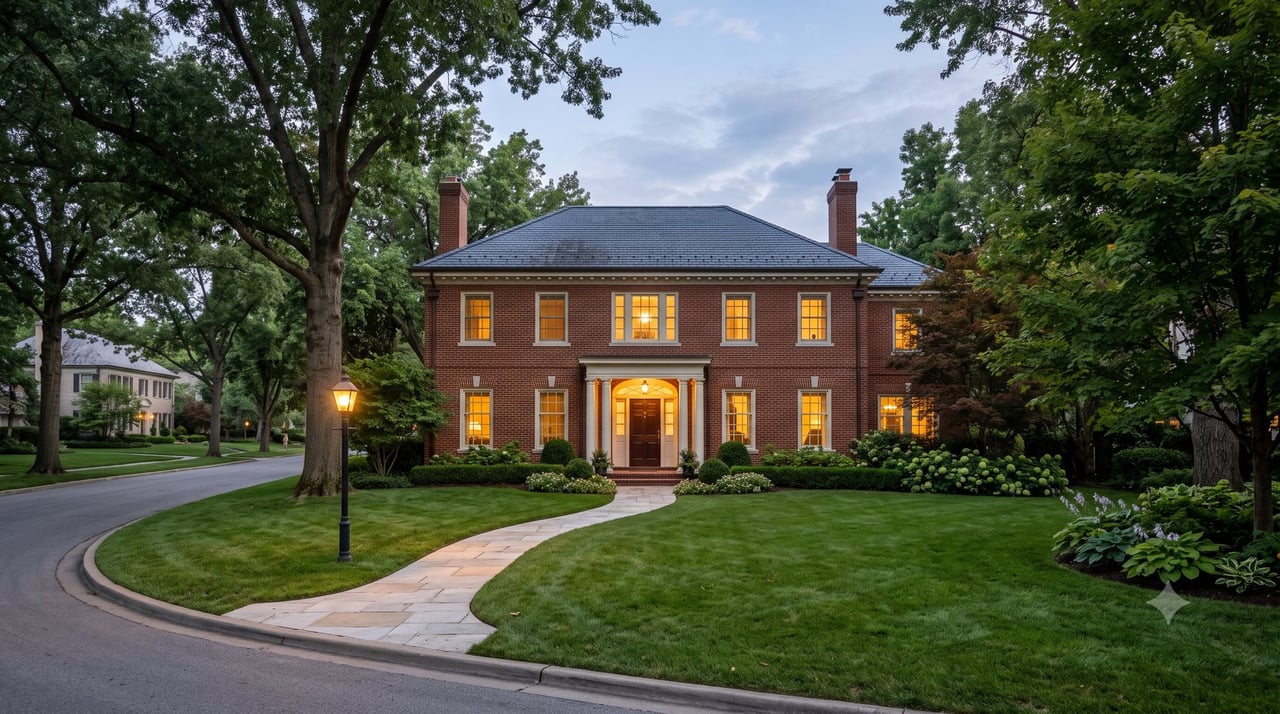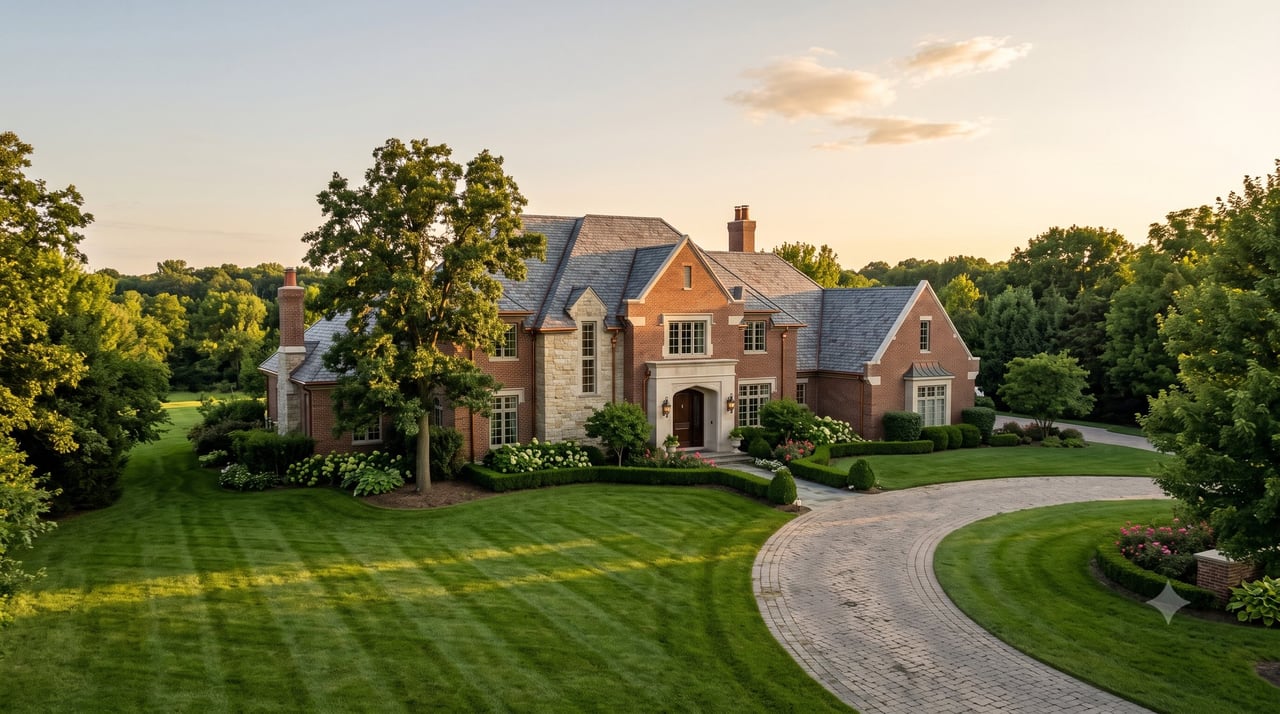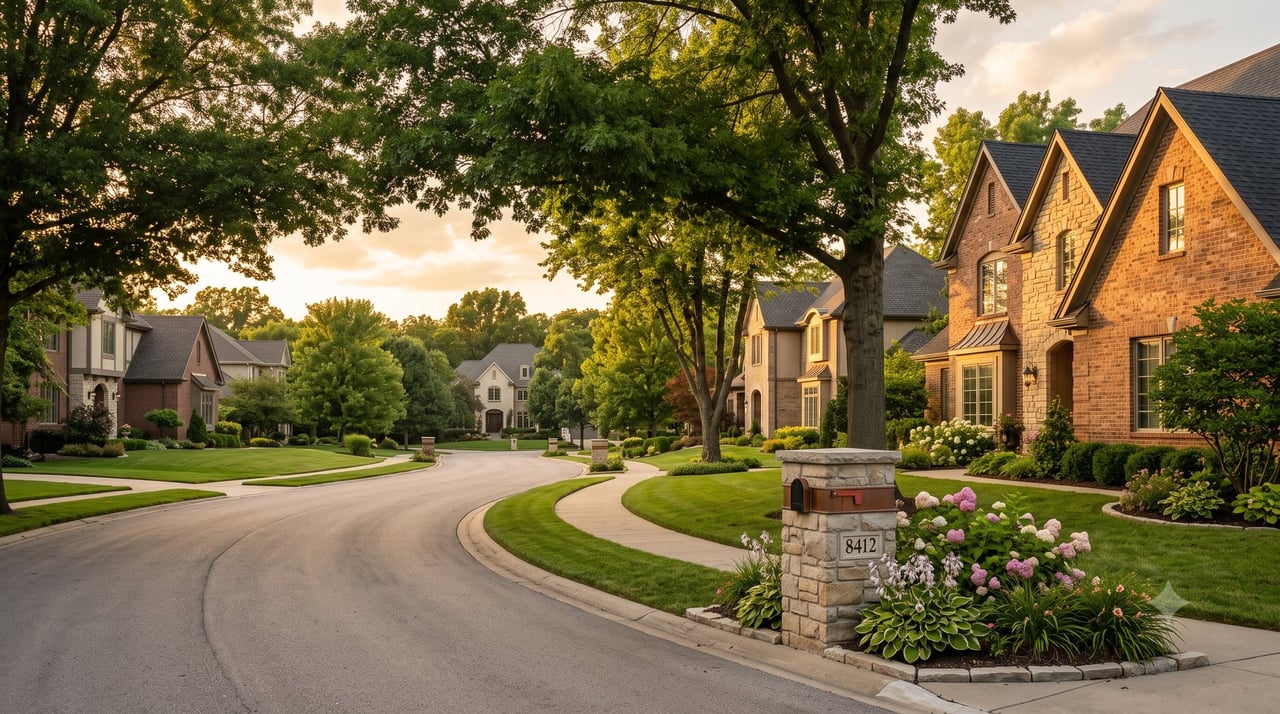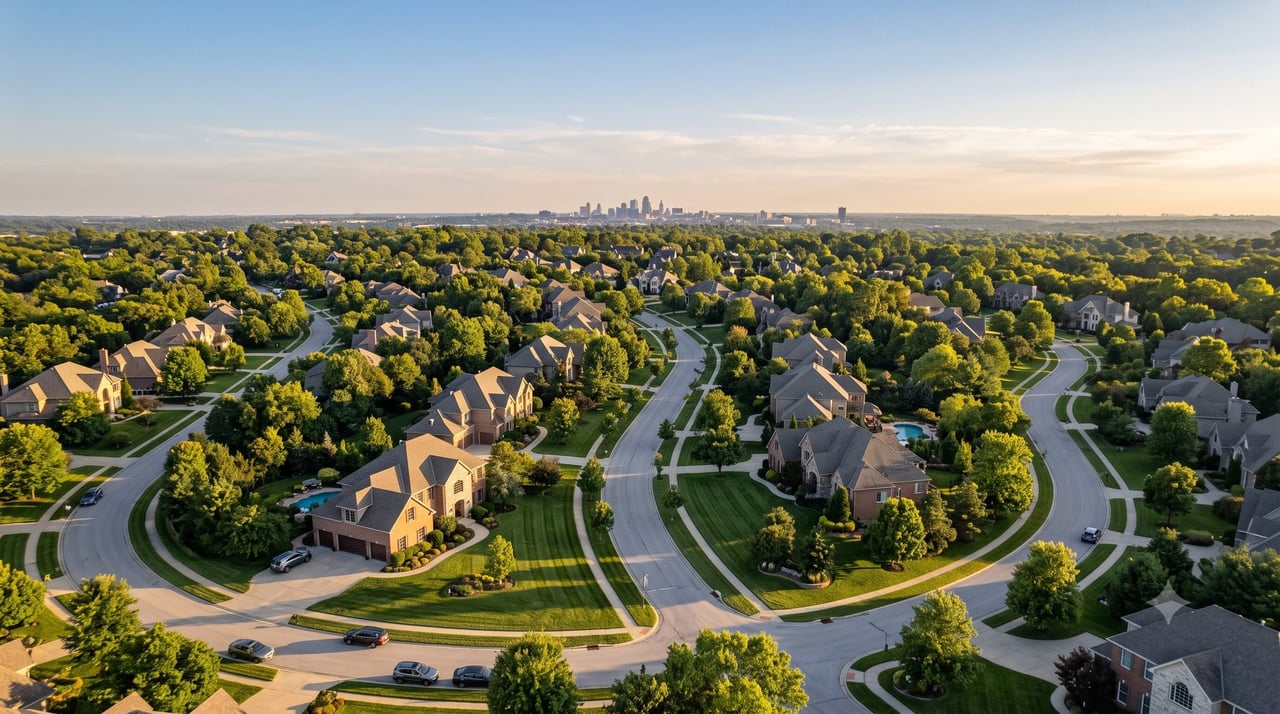
Buying your first home in Olathe can feel exciting and a little overwhelming. You want a clear plan, real numbers, and local insight so you can move with confidence. In this guide, you’ll get a step-by-step roadmap built for Olathe first-time buyers, with timelines, financing tips, inspection priorities, and what to expect in each neighborhood. Let’s dive in.
What to expect in Olathe’s market
Recent portal data shows typical home values in the low $400s, and many entry-level single-family homes often land in the roughly $350,000 to $475,000 range. Well-priced homes in popular areas can still move quickly, so expect some competition. Plan to act decisively on homes that check your boxes.
Different websites report different medians and days on market because they measure different things. Some use list price, others use sold price. Some look at the whole city, others at a single ZIP code. The most accurate read on your target neighborhood will come from a local MLS report tailored to your search.
Choose your home style and age band
Olathe’s housing stock skews newer than many Kansas communities. City analysis shows about 81% of homes were built between 1970 and 2009. That helps you plan for likely inspection priorities and future maintenance on systems like HVAC, roof, and windows. You can review the city’s housing-stock overview for context in your search using the Olathe housing analysis.
- Older-infill near Original Town: Smaller homes on smaller lots, often bungalows and ranches. Expect more cosmetic updates and project planning.
- 1970s–1990s subdivisions: Ranches, split-levels, and two-story homes with mature trees and established streets. Budget for system updates if not recently replaced.
- 2000s to recent builds: Larger two-story plans, open layouts, and frequent HOAs. Expect modern systems and potential builder warranties.
For any home age, your inspection plan and offer strategy should reflect expected maintenance timelines.
Schools and commute basics
Olathe Public Schools (USD 233) serves about 29,000 students across 58 schools and offers a range of programs. Enrollment and transfer windows are managed by the district. If school assignment is part of your decision, review the district’s enrollment resources directly on the Olathe Public Schools website.
The district has adjusted facilities as enrollment patterns change. For example, the board approved a plan to repurpose Westview Elementary for the 2026–27 school year. You can read that decision on the district’s news page if it’s relevant to your search timeline.
Commuting is straightforward for many residents. Olathe sits about 20 miles southwest of downtown Kansas City with primary access along Interstate 35 and key arterials like Santa Fe Street and US‑56. City planning resources highlight I‑35’s role in regional access. The mean travel time to work is about 20.7 minutes, which offers a helpful baseline when comparing suburbs.
- Review the city’s transportation planning context for I‑35 access.
- Check the mean commute time data for a quick comparison point.
Financing and assistance in Johnson County
Here’s a critical Olathe nuance: Kansas has a state-level First-Time Homebuyer program, but the Kansas Housing Resources Corporation’s documentation indicates its statewide down-payment assistance generally excludes Johnson County. Because Olathe is in Johnson County, many statewide DPA funds will not apply here. Always verify the latest program details directly with KHRC.
Local and nonprofit options can help fill the gap. Regional nonprofits such as Habitat for Humanity KC offer down-payment assistance that includes Johnson County. Funds are limited and may require participation from your lender, so start early and ask about current availability.
Common loan types for first-time buyers include FHA (3.5% down), conventional (as low as 3% with certain products), VA for eligible veterans (0% down), and USDA in eligible rural areas. Lenders can also layer permitted seller credits or lender-paid credits to reduce upfront costs.
Typical buyer closing costs run about 2% to 5% of the purchase price, depending on lender, title, and prepaid items. Earnest money is commonly 1% to 2% of the purchase price, and in tighter segments, some buyers post more to show strength.
- Review KHRC’s program documentation.
- Explore Habitat KC’s down-payment assistance.
- See a closing-costs overview to frame your budget.
Your step-by-step roadmap
1) Budget and credit check
- Estimate your down payment, closing costs, and reserves for immediate repairs or furnishings. Closing costs are often 2% to 5%.
- Pull your credit and correct errors. Ask lenders how your score affects interest rates and mortgage insurance.
2) Get pre-approved with a local lender
- Request a fully underwritten pre-approval, not just a quick pre-qualification.
- Ask about Johnson County-compatible assistance, nonprofit funds, and whether your loan allows seller credits.
3) Define your must-haves with your agent
- Set price band, home type, lot size, HOA tolerance, and commute radius.
- Align your search with school boundaries if relevant to your needs. Your agent can pull precise MLS data for each neighborhood.
4) Tour and target 3–10 homes
- Move quickly on well-located, well-priced listings.
- Decide on a realistic earnest-money amount and an inspection window that fits market norms.
5) Offer, inspections, and appraisal
- Write a clean offer with clear contingencies for inspection, appraisal, and financing.
- Schedule inspections fast, communicate with your lender, and prepare for appraisal.
- Negotiate repairs or credits based on findings and loan rules.
6) Close with confidence
- Typical contract-to-close for financed purchases is about 30 to 45 days.
- Wire funds per your lender and title company’s instructions. Confirm keys, utilities, and immediate maintenance priorities.
Inspections to prioritize
A thorough inspection plan protects your budget and peace of mind. For Olathe homes, consider:
General home inspection covering structure, roof, HVAC, plumbing, and electrical.
Sewer scope or septic inspection depending on property type.
Radon testing. Kansas has areas with moderate to high radon potential, and the EPA recommends testing every home. If levels are elevated, you can negotiate mitigation.
Termite/wood-destroying insect inspection, especially in older wood-frame homes.
Specialist inspections as needed, such as foundation, chimney, or pool.
Read the EPA guidance on radon and testing.
Sample first-time buyer timeline
Use this conservative schedule to set expectations. Your actual pace may be faster or slower.
Pre-approval and assistance checks: 1 to 2 weeks.
Active home search: 2 to 12+ weeks.
Offer to accepted contract: 1 to 7 days.
Inspections and negotiations: 7 to 14 days.
Appraisal and underwriting: 7 to 21 days.
Closing and keys: total contract-to-close often 30 to 45 days.
See a step-by-step closing overview for timing context.
Offer and negotiation tips
- Lead with strength. A clean offer, competitive earnest money, and a strong pre-approval can help you win without sacrificing essential protections.
- Keep contingencies clear. Shorter but realistic inspection windows signal confidence while protecting your interests.
- Confirm permitted concessions. Different loans limit how much the seller can credit toward your closing costs, so check with your lender before you write.
Quick budget worksheet
Use these estimates to shape your first draft budget, then refine with your lender’s Loan Estimate.
- Down payment: 3% to 20% or more, depending on loan type and goals.
- Closing costs: 2% to 5% of the purchase price.
- Earnest money: commonly 1% to 2%.
- Immediate reserves: funds for lock changes, deep cleaning, minor repairs, and first-month utilities.
Ready to buy your first home in Olathe? You do not have to figure it out alone. For a customized plan, neighborhood-level comps, and step-by-step guidance from search to keys, connect with the team at Magnolia KC Group.
FAQs
How much cash do first-time buyers in Olathe need?
- Plan for your down payment plus closing costs of about 2% to 5%, then set aside reserves for immediate needs. Review a closing-cost overview to dial in your numbers.
Does Kansas down-payment assistance work in Olathe?
- Many statewide funds do not apply in Johnson County according to KHRC documentation. Check KHRC for current rules and explore regional nonprofit options like Habitat KC for Johnson County.
How long does closing usually take in Olathe?
- Financed deals commonly take 30 to 45 days from contract to close, with cash closings often faster. A step-by-step closing guide can help you plan.
Should I test for radon when buying in Olathe?
- Yes. The EPA recommends testing every home. If elevated levels are found during inspections, you can negotiate mitigation or a credit.
What is the typical Olathe commute time?
- The mean travel time to work is about 20.7 minutes. Your commute will vary by neighborhood, route, and time of day.
City planning overview for I‑35 access
Olathe Public Schools enrollment and programs
District news: Westview Elementary repurpose
KHRC First-Time Homebuyer program documentation